Why You Need a Radon Test St Louis Homeowners Can Trust
Understanding the Invisible Threat in Your Home
When I moved into my first house in St. Louis, I thought I had done all the right checks. I looked for mold, checked the foundation for cracks, and even had the furnace serviced. But there was one thing I never considered: radon gas. It wasn't until a friend in the industry mentioned it that I started looking into it. That's when I learned that the only way to know if you have a problem is to get a radon test St Louis homeowners rely on. Radon is a radioactive gas that comes from the natural decay of uranium in the soil. It moves up through the ground and into your home through cracks in the foundation, gaps around pipes, and even through the water supply. You cannot see it, smell it, or taste it. That makes it uniquely dangerous.
The EPA has classified radon as the second leading cause of lung cancer in the United States, right behind smoking. For people who have never smoked, it is the number one cause. The risk is real, and it is present in homes of all ages and types. In the St. Louis area, the geology includes limestone and shale, which can contain trace amounts of uranium. Combined with the region's clay-heavy soil, this can create conditions where radon levels accumulate. That is why a proper radon test St Louis residents schedule can reveal levels that are above the EPA action level of 4 picocuries per liter (pCi/L).
How Radon Gets Into Your Home
Radon enters your home through a process called pressure-driven flow. The air pressure inside your house is slightly lower than the pressure in the soil around the foundation. This difference draws radon gas from the soil into your living space through any opening it can find. Common entry points include cracks in concrete slabs, gaps around service pipes, crawl spaces, and sump pump openings. The gas can also enter through well water, though that is less common in the St. Louis area than in rural parts of Missouri. Once inside, radon can become trapped, especially in lower levels like basements and first-floor rooms. Over time, the concentration can build to dangerous levels.
Many homeowners assume that newer homes are safe because they have better insulation and vapor barriers. In reality, newer homes can sometimes have higher radon levels because they are more airtight. The radon that enters gets trapped and cannot dilute with outside air. Older homes with more drafts may have lower average levels but can still have dangerous hot spots. This is why radon testing is not something you can skip based on the age or style of your home. Every home is different, and the only way to know your risk is to measure it.
What a Radon Test Actually Involves
A basic radon test St Louis homeowners can perform themselves uses a small device filled with activated carbon. You place it in the lowest livable area of your home, leave it there for a set period (usually two to seven days), and then send it to a lab for analysis. The activated carbon absorbs radon particles, and the lab measures the decay to determine the average concentration. These tests are inexpensive and widely available at hardware stores or online. But there is a catch: they are only accurate if you follow the instructions carefully. You must keep windows and doors closed for 12 hours before and during the test, avoid placing the detector near drafts or heat sources, and not disturb the device. Even a small mistake can skew the results.
For a more reliable reading, many people hire a professional. A professional radon tester will place a continuous radon detector in your home that records levels hour by hour. This gives a more detailed picture of how radon levels fluctuate over time. It also eliminates the risk of user error. The cost is higher, but the results are more trustworthy. If you are planning to sell your home, a professional test is often required by the buyer's lender or local regulations. In the St. Louis real estate market, a professional radon test is becoming standard practice for home inspections. Buyers want to know that the indoor air quality is safe before they commit.
What Your Test Results Mean
If your test comes back below 2 pCi/L, you are in good shape. The EPA recommends considering mitigation only if levels are above 2 pCi/L, but the official action level is 4 pCi/L. If your levels are between 2 and 4, you may want to take steps to reduce them, especially if you have children or elderly family members living in the home. If your levels are above 4, you should take action as soon as possible. The EPA states that no level of radon is truly safe, but the risk at lower levels is much smaller. Your personal tolerance may depend on how long you plan to live in the home and your family's health history.
It is also important to understand that radon levels can change over time. Seasonal weather, changes in the soil moisture, and even renovations can affect how much radon enters your home. A single test gives you a snapshot, not a lifetime guarantee. That is why the EPA recommends retesting every two years, or after any major structural change to your home. For homes that have already had mitigation, post-installation verification is essential to confirm that the system is working correctly. This is something I have seen many homeowners overlook. They install a radon mitigation system and assume the problem is solved forever. But radon fans and vent pipes can become blocked, motors can fail, and new cracks can form in the foundation. A follow-up radon test St Louis homeowners schedule after installation gives peace of mind that the system is actually doing its job.
The Role of Professional Mitigation
If your radon test shows high levels, the next step is radon mitigation. The most common and effective method for homes in the St. Louis area is sub-slab depressurization. This involves drilling a small hole in the concrete slab of your basement or crawl space, inserting a radon vent pipe, and attaching a radon fan that pulls the radon gas from beneath the house and exhausts it safely above the roofline. The system runs continuously and is very quiet. A well-designed system can reduce radon levels by 90% or more, often bringing them below 2 pCi/L.
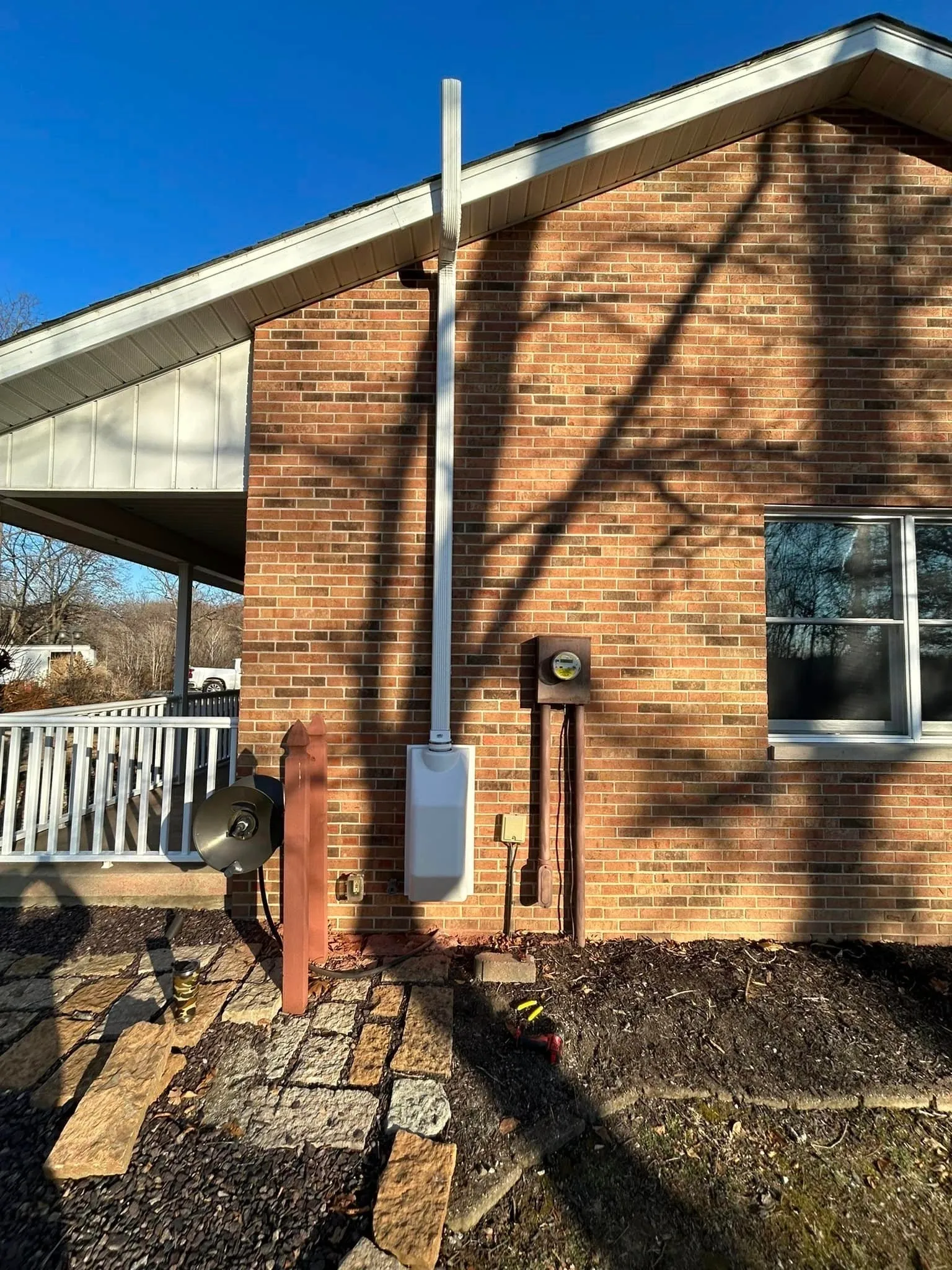
Choosing the right contractor is critical. A poorly installed system can actually increase radon levels by creating new pathways for the gas to enter. That is why you want a company that follows the EPA's radon mitigation standards and has experience with the specific geology of Missouri. Air Sense Environmental, for example, is a resource for radon mitigation services in St. Louis that focuses on proper testing, system installation, and post-installation verification. They follow a systematic approach: first they test, then they design a system tailored to your home's construction, then they install it, and finally they test again to confirm the system is working. That last step is the one that too many contractors skip. Without it, you are just guessing.
Radon and Your Home's Value
In the St. Louis real estate market, radon is a known issue. Buyers are more educated than they used to be, and many will ask for a radon test as part of the home inspection. If your test comes back high, it can stall or kill a sale. Sellers who proactively test and mitigate before listing often have an easier time closing. Some buyers will even walk away from a deal if they see a high radon reading, even if the seller offers to fix it. The perception of radon risk is strong, and it is easier to handle it before the house is on the market.
On the flip side, a home with a documented low radon level and a verified mitigation system is a selling point. It shows that you have taken care of the property and that the indoor air quality is safe. In competitive markets, that can set your home apart. I have seen sellers get multiple offers because they had the radon paperwork ready to show. It is a small investment that can pay off big when it comes time to sell.
Final Thoughts on Staying Safe
Radon is not something to panic about, but it is something to take seriously. The science is clear, the testing is simple, and the mitigation is proven. The most dangerous mistake you can make is to assume it is not a problem. If you live in St. Louis or anywhere in Missouri, the odds are that your home has some level of radon. Whether that level is safe or not depends on factors you cannot control without a test. The cost of a radon detector and a lab analysis is under $30 at most hardware stores. That is a small price for knowing that your family is breathing clean air. And if the results show a problem, fixing it with a radon mitigation system is one of the best investments you can make in your home and your health.
Remember that radon testing is not a one-time event. It is part of ongoing home maintenance, like checking your smoke detectors or changing your furnace filter. The EPA recommends testing every two years, and after any major renovation or earthquake. Stay informed, stay diligent, and do not hesitate to call a professional if you have questions. Your lungs will thank you.
Corrections
Spot something wrong? Send it to the desk and it gets fixed in the open.